Tuesday, February 28, 2012
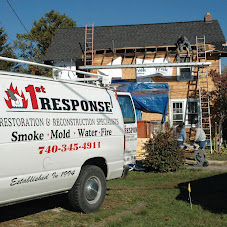
"When your home or business suffers damage from FIRE, SMOKE, WATER, STORM DAMAGE and MOLD, it's important for you to know it can be restored or reconstructed.
From clean-up to finished construction, we handle it all. Our goal is 100% complete satisfaction for every client no matter the damage - no matter the size of the loss. We diligently strive to maintain our reputation as the leading damage repair specialist in Central Ohio."
Craig Young
President, 1st Response


Services at 1st Response
FIRE AND SMOKE DAMAGE RESTORATION-
A fire can result in complex damages due to the unique behavior of smoke. 1st Response needs to survey the site to determine the extent to which fire, smoke, heat and moisture impacted the building materials and contents. Hidden damage and odor results when smoke penetrates cavities of the structure. Professionals will be able to investigate how far smoke damage may have spread. Identifying the type of soot present at the site will also reveal what type of damage has occurred.
WATER REMOVAL AND DEHUMIDIFICATION-
1st Response will have the equipment and experience necessary to effectively dry, deodorize and disinfect areas flooded or damaged by water. Prepared with an array of hi-tech drying equipment, sanitizing agents, germicides and anti-microbial treatments, 1st Response will be able to efficiently remove water. They will also have vast knowledge regarding dehumidification and properly lowering moisture levels from your home.
MOLD MITIGATION AND REMEDIATION-
Unwarranted amounts of mold may present health concerns to you and your family. Previous and untreated water damage can cause mold growth which is another good reason to have any water damage properly treated. Mold mitigation is a carefully regulated procedure and needs to be treated promptly and properly. Improper mold remediation can damage the resale value of your home.
OTHER SERVICES OFTEN INCLUDE-
catastrophic storm response; electronic equipment; document drying; contents claim inventory service; air duct and HVAC cleaning; biohazard, crime scene and vandalism clean up; carpet, upholstery, drape and blind clean up; ceiling, wall and hardwood floor clean up; and deodorization.
Friday, February 10, 2012


Friday, July 22, 2011
Some HOT Weather Suggestions
Fans and Ceiling Fans
If you’re looking for ways to beat the heat, a ceiling fan can be a great investment for your home. This one appliance can make a room feel 6 or 7 degrees cooler, and even the most power-hungry fan costs less than $10 a month to use if you keep it on for 12 hours a day. Good fans make it possible for you to raise your thermostat setting and save on air-conditioning costs. Fans don’t use much energy, but when air is circulating, it feels much cooler. Ceiling fans are best, but a good portable fan can be very effective as well.
You should remember that even mild air movement of 1 mph can make you feel three or four degrees cooler. Also make sure your ceiling fan is turned for summer – you should feel the air blown downward.
Shades, drapes, or blinds
Install white window shades, drapes, or blinds to reflect heat away from the house. Close blinds, shades and draperies facing the sun (east-facing windows in the morning and west-facing windows in the afternoon) to keep the sun’s heat out and help fans or air conditioners cool more efficiently. Always remember that the best way to keep your home cool is to keep the heat out.
Internal Heat
The most common sources of internal heat gain are; appliances, electronic devices, and lighting. Be aware from where the heat is comming. Now if you have air conditioning, use it wisely. Don’t put lamps, televisions or other heat-generating appliances next to your air-conditioning thermostat, because the heat from these appliances will cause the air conditioner to run longer. The heat they produce will make it think your house is warmer than it really is, and your system will run harder than it needs to.
•Unless you absolutely need them, turn off incandescent lights and heat-generating appliances. Replace incandescent bulbs with compact fluorescents; they produce the same light but use a fifth the energy and heat.
•You should also try to avoid heat-generating activities, such as cooking, on hot days or during the hottest part of the day. If you are cooking, use your range fan to vent the hot air out of your house. By reducing the amount of heat in your home, you will have to use less energy to cool it.
Other things to remember
Humidity makes room air feel warmer, so reduce indoor humidity. Minimize mid-day washing and drying clothes, showering, and cooking. And when you must do these things, turn on ventilating fans to help extract warm, moist air.
Avoid landscaping with lots of unshaded rock, cement, or asphalt on the south or west sides because it increases the temperature around the house and radiates heat to the house after the sun has set.
If the attic isn’t already insulated or is under-insulated, insulate it NOW. Upgrading from 3 inches to 12 inches can cut cooling costs by 10 percent.
Thursday, July 14, 2011
Some Summer Tips
Some "tips" to keep cool during these HOT Summer days.
1. Reduce the cooling load by employing cost-effective conservation measures. Provide effective shade for east and west windows. When possible, delay heat-generating activities such as dish washing until evening on hot days.
2. Over most of the cooling season, keep the house closed tight during the day. Don’t let in unwanted heat and humidity. Ventilate at night either naturally or with fans.
3. You can help get rid of unwanted heat through ventilation if the temperature of the incoming air is 77 F or lower. (This strategy works most effectively at night and on cooler days.) Window fans for ventilation are a good option if used properly. They should be located on the downwind side of the house facing out. A window should be open in each room. Interior doors must remain open to allow air flow.
4. Use ceiling fans to increase comfort levels at higher thermostat settings. The standard human comfort range for light clothing in the summer is between 72 F and 78 F. To extend the comfort range to 82 F, you need a breeze of about 2.5 ft/sec or 1.7 mph. A sow-turning ceiling-mounted paddle fan can easily provide this air flow.
5. In hot climates, plant shade trees around the house. Don’t plant trees on the South if you want to benefit from passive solar heating in the winter.
6. If you have an older central air conditioner, consider replacing the outdoor compressor with a modern, high-efficiency unit. Make sure that it is properly matched to the indoor unit.
7. If buying a new air conditioner, be sure that it is properly sized. Get assistance from an energy auditor or air conditioning contractor.
8. Buy a high-efficiency air conditioner: for room air conditioners, the energy efficiency ratio (EER) rating should be above 10; for central air conditioners, look for a seasonal energy efficiency ratio (SEER) rating above 12.
9. In hot, humid climates, make sure that the air conditioner you buy will adequately get rid of high humidity. Models with variable or multi-speed blowers are generally best. Try to keep moisture sources out of the house.
10. Try not to use a dehumidifier at the same time your air conditioner is operating. The dehumidifier will increase the cooling load and force the air conditioner to work harder.
11. Seal all air conditioner ducts, and insulate ducts that run through unheated basements, crawl spaces, and attics.
12. Keep the thermostat set at 78 degrees F or higher if using ceiling fans. Don’t air-condition unused rooms.
13. Maintain your air conditioners properly to maximize efficiency.
1. Reduce the cooling load by employing cost-effective conservation measures. Provide effective shade for east and west windows. When possible, delay heat-generating activities such as dish washing until evening on hot days.
2. Over most of the cooling season, keep the house closed tight during the day. Don’t let in unwanted heat and humidity. Ventilate at night either naturally or with fans.
3. You can help get rid of unwanted heat through ventilation if the temperature of the incoming air is 77 F or lower. (This strategy works most effectively at night and on cooler days.) Window fans for ventilation are a good option if used properly. They should be located on the downwind side of the house facing out. A window should be open in each room. Interior doors must remain open to allow air flow.
4. Use ceiling fans to increase comfort levels at higher thermostat settings. The standard human comfort range for light clothing in the summer is between 72 F and 78 F. To extend the comfort range to 82 F, you need a breeze of about 2.5 ft/sec or 1.7 mph. A sow-turning ceiling-mounted paddle fan can easily provide this air flow.
5. In hot climates, plant shade trees around the house. Don’t plant trees on the South if you want to benefit from passive solar heating in the winter.
6. If you have an older central air conditioner, consider replacing the outdoor compressor with a modern, high-efficiency unit. Make sure that it is properly matched to the indoor unit.
7. If buying a new air conditioner, be sure that it is properly sized. Get assistance from an energy auditor or air conditioning contractor.
8. Buy a high-efficiency air conditioner: for room air conditioners, the energy efficiency ratio (EER) rating should be above 10; for central air conditioners, look for a seasonal energy efficiency ratio (SEER) rating above 12.
9. In hot, humid climates, make sure that the air conditioner you buy will adequately get rid of high humidity. Models with variable or multi-speed blowers are generally best. Try to keep moisture sources out of the house.
10. Try not to use a dehumidifier at the same time your air conditioner is operating. The dehumidifier will increase the cooling load and force the air conditioner to work harder.
11. Seal all air conditioner ducts, and insulate ducts that run through unheated basements, crawl spaces, and attics.
12. Keep the thermostat set at 78 degrees F or higher if using ceiling fans. Don’t air-condition unused rooms.
13. Maintain your air conditioners properly to maximize efficiency.
Monday, May 23, 2011
BEWARE of untrustworthy contractors .............
•Beware of “fly-by-night” contractors or “storm chasers” who swarm the area after a storm. They may not be properly licensed or insured or may be using inferior materials and may be hard to locate later if there is a problem with their work.
•Ask for and check references. Trustworthy businesses should be able to direct you to references that will vouch for their credibility. Follow through and confirm the company’s reliability with multiple references before you hire.
•Beware of price gouging. Some unethical businesses may be marking up their products or services by as much as 500 percent. If you can wait to do any repairs until this busy time passes, do it.
•Make any temporary repairs, then take the time to hire ethical business contracts. Beware of companies who claim your home is structurally unsafe and needs expensive repairs.
•Check with your insurance company, and make sure to take pictures and document any repair needs as soon as possible.
•Compare bids, but determine which company will provide the best quality and not just the lowest price. Some “storm chaser” companies will offer rock-bottom prices, but may be unlicensed or providing inferior services. Legitimate contractors can provide a “Certificate of Insurance” that verifies they have current liability and workmen’s compensation coverage. Every consumer should verify that contractors are properly insured and licensed before allowing them to work on their property.
•Remember that reputable companies don’t ask for the entire fee up-front. Never pay more than one-third of the cost before repairs are complete. Also, pay by check or credit card instead of cash. These more secure methods of payment ensure that you will be more likely to track and retrieve your money in case of a scam.
1st Response is a FULL SERVICE contractor, specializing in restoration. CONTACT US
Call us at 740-345-4911.
•Ask for and check references. Trustworthy businesses should be able to direct you to references that will vouch for their credibility. Follow through and confirm the company’s reliability with multiple references before you hire.
•Beware of price gouging. Some unethical businesses may be marking up their products or services by as much as 500 percent. If you can wait to do any repairs until this busy time passes, do it.
•Make any temporary repairs, then take the time to hire ethical business contracts. Beware of companies who claim your home is structurally unsafe and needs expensive repairs.
•Check with your insurance company, and make sure to take pictures and document any repair needs as soon as possible.
•Compare bids, but determine which company will provide the best quality and not just the lowest price. Some “storm chaser” companies will offer rock-bottom prices, but may be unlicensed or providing inferior services. Legitimate contractors can provide a “Certificate of Insurance” that verifies they have current liability and workmen’s compensation coverage. Every consumer should verify that contractors are properly insured and licensed before allowing them to work on their property.
•Remember that reputable companies don’t ask for the entire fee up-front. Never pay more than one-third of the cost before repairs are complete. Also, pay by check or credit card instead of cash. These more secure methods of payment ensure that you will be more likely to track and retrieve your money in case of a scam.
1st Response is a FULL SERVICE contractor, specializing in restoration. CONTACT US
Call us at 740-345-4911.
Some DO's and DONT'S about flooding
How to safely clean affected areas due to flooding:
•Do not wade into standing water in your basement unless you are sure the electricity to your home is off.
•Unless you are certain basement flood waters came from around the foundation or from window wells, you should assume it contains sewage.
•Minimize skin exposure by wearing rubber boots and gloves and keep children and pets away from flood contaminated surfaces.
•As soon as the water is drained away, all wet items should be cleaned and thoroughly dried within 48 hours of flooding to prevent the growth of mold.
•When cleaning, items should first be washed with soap and water to remove visible debris and dirt. A disinfecting solution of one-half to three quarters cup of household bleach to one gallon of water should then be applied to the surface and allowed to air dry.
•Promptly fix any leaks in your home’s roof, walls or plumbing to eliminate moisture that could promote mold growth.
•Discard wet carpet, rugs and upholstery that cannot be easily cleaned to prevent mold growth.
•Keep the humidity level in your home between 40 and 60 percent to prevent mold growth.
•Do not wade into standing water in your basement unless you are sure the electricity to your home is off.
•Unless you are certain basement flood waters came from around the foundation or from window wells, you should assume it contains sewage.
•Minimize skin exposure by wearing rubber boots and gloves and keep children and pets away from flood contaminated surfaces.
•As soon as the water is drained away, all wet items should be cleaned and thoroughly dried within 48 hours of flooding to prevent the growth of mold.
•When cleaning, items should first be washed with soap and water to remove visible debris and dirt. A disinfecting solution of one-half to three quarters cup of household bleach to one gallon of water should then be applied to the surface and allowed to air dry.
•Promptly fix any leaks in your home’s roof, walls or plumbing to eliminate moisture that could promote mold growth.
•Discard wet carpet, rugs and upholstery that cannot be easily cleaned to prevent mold growth.
•Keep the humidity level in your home between 40 and 60 percent to prevent mold growth.
Subscribe to:
Posts (Atom)