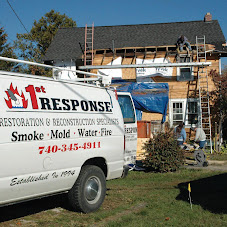
Showing posts with label storm damage. Show all posts

Friday, March 16, 2012


While everyone else is gone for the weekend...we are here for you 24/7. 

If disaster should strike you, your friends, your family....CALL 1st RESPONSE! 


(740) 345-4911

and we will take it from there.

Tuesday, February 28, 2012


"When your home or business suffers damage from FIRE, SMOKE, WATER, STORM DAMAGE and MOLD, it's important for you to know it can be restored or reconstructed.

From clean-up to finished construction, we handle it all. Our goal is 100% complete satisfaction for every client no matter the damage - no matter the size of the loss. We diligently strive to maintain our reputation as the leading damage repair specialist in Central Ohio."

Craig Young
President, 1st Response

Friday, November 19, 2010

More Winterizing Tips

WINDOWS AND DOORS:


Check windows and doors to prevent air from seeping into your home.

Checking for air gaps is done best on a windy day because you will be able to feel where the drafts are more easily. Light a few incense sticks and run them around door and window openings, watch the smoke trail and if there is a leak it will be real easy to spot.

A small 1/4" gap at the threshold of a door is equal to a 4" hole in the wall!

The rubber insert on thresholds tends to get hard and brittle with age and they tend to collapse so it may be time to replace it.. Most thresholds can simply be removed and a new rubber insert threaded in.

Don't overlook your wall outlets, its amazing how much outside air comes in around the openings.

Quick Fix: Install foam precut pads in behind the plates. Most all home building centers and hardware stores carry them.

Use a good quality caulking compound and seal up any cracks between the side walls of the house and the window frames. Clean and lubricate the window frame channels, if there are any gaps you can seal with one of the many strip adhesive backed weatherstrip available at local home centers and hardware stores.

Clean gutters & downspouts.Check the gutter supports.

Exterior paint-check for peeling, holes, cracks,soft and rotten wood, chalking.

Check siding-hammer in nails that have popped, replace rusty nails with galvanized nails.

Caulk any leaks or cracks in basement walls and seal.

See that all doors and windows close & lock properly. Lubricate hinges and door locks.

Thursday, October 21, 2010

Winter will be here soon

Winter may be a few months away, but now is a great time to start getting ready for it. With energy prices on the rise, it is important to find ways to cut costs and reduce the amount of energy you use in the winter. Let’s go over a few quick ways to help lower your energy costs and get ready for winter.


First, one of the easiest ways to dramatically reduce your home heating costs is by sealing your windows. There are many different kinds of window kits available that will completely seal off any gaps or drafts. Summertime is a great time to purchase these kits since they will typically be marked down by 50% or more. This means instead of spending $5 or more per window, you can do it for about $2.50 a window. If you’ve got a lot of windows in your home, this can really add up.

Summer is also a good time to start thinking about your insulation and the shape it may be in. If your home is fairly new, you should not have to worry about this. However, if you have noticed that no matter what you do your house still feels pretty cold, poor insulation may be the culprit. Look at the R rating on your current insulation and double check to make sure that it is meant for your area. If it is, it may have degraded, or you may need a little more to make your house feel cozy.

If you have a forced air heating system, it’s time to get those filters out and replaced. Having a clean filter in your furnace can reduce your heating costs significantly. Once again, you can take advantage of summer discounts and stock up on filters for the entire year. You should be replacing them at least every month, or more if you live in a particularly dusty area.

Wednesday, August 11, 2010

Some Hot Weather Tips

Some tips to help you keep your home a  little cooler during these very hot summer days.

Reduce the cooling load by employing cost-effective conservation measures. Provide effective shade for east and west windows. When possible, delay heat-generating activities such as dishwashing until evening on hot days.


Over most of the cooling season, keep the house closed tight during the day. Don’t let in unwanted heat and humidity. Ventilate at night either naturally or with fans.

You can help get rid of unwanted heat through ventilation if the temperature of the incoming air is 77 F or lower. (This strategy works most effectively at night and on cooler days.) Window fans for ventilation are a good option if used properly. They should be located on the downwind side of the house facing out. A window should be open in each room. Interior doors must remain open to allow air flow.

Use ceiling fans to increase comfort levels at higher thermostat settings. The standard human comfort range for light clothing in the summer is between 72 F and 78 F. To extend the comfort range to 82 F, you need a breeze of about 2.5 ft/sec or 1.7 mph. A slow-turning ceiling-mounted paddle fan can easily provide this air flow.

Try not to use a dehumidifier at the same time your air conditioner is operating. The dehumidifier will increase the cooling load and force the air conditioner to work harder.

Seal all air conditioner ducts, and insulate ducts that run through unheated basements, crawl spaces, and attics.

Keep the thermostat set at 78 degrees F or higher if using ceiling fans. Don’t air-condition unused rooms.

Maintain your air conditioners properly to maximize efficiency.

When an emergency arises, call 1st Response.

Wednesday, July 7, 2010

Some tips for summer living

Light and Airy - Make your home as light as possible. Invest in some thin and sheer curtains that look beautiful, provide privacy and keep the room cool. Heavy, synthetic drapes are definitely a no-no in the summer months. Beautiful cotton drapes in bold patterns and bright colors look good.

Cool Colors - Furnish your home in cool and soothing colors. Use bed sheets and pillow cases in colors like white, crème, yellow, blue, orange etc. Bed spreads and table cloths in vibrant patterns and flowery prints create a airy and relaxed atmosphere in the summer months.

Simplicity - Put away all your heavy and thick carpets that look and feel hot. Instead, invest in small and thin rugs that look good and feel great. Remember - less is more in summers!

Bring Nature to your Home - Seasonal flowers can brighten up your home. Pick flowers from your garden or invest in some fresh flowers for all the rooms of your home. Small, green plants create a cooling effect in your home.

In the afternoons, draw all the curtains of your house. This will automatically cool off the home and keep the heat out.

If you don't already have them, go shopping for some cheery wind chimes. Hang them at the entrance or high up where there is a cross ventilation. Let your home come to life with the soothing sounds of the chimes.

I you should suffer fire damage, smoke damage, water damage or storm damage, remember 1st Response.

Tuesday, May 4, 2010

After the Flood Tips

1.Exercise caution when first entering your home. If there is still standing water, it is prudent to wear rubber boots and gloves. Turn the electricity off at the breaker box and get all electrical appliances and extension cords up on higher ground dry them out. Make sure your home is structurally safe, which means looking out for broken sharp objects on the floor and anything you might trip over.

2.Boil all drinking water or use bottled water. All drinking water should be either boiled, put through a water purifier or use bottled water. Areas that are dry but have been exposed to sewage should be thoroughly washed down with a solution of household bleach and water. We recommend a 25% bleach to water solution.

3.If in doubt, throw it out. Toss out all water damaged rugs, particle board furniture, mattresses, suitcases, food, even photographs and books, and follow your local authority guidelines for disposal. Many electrical appliances will not survive if they have been submerged in water. Dishwashers, refrigerators and vacuum cleaners are cheaper to replace than repair. Use rubber gloves and mask to clean loose debris to not inhale any toxic particles.

4.Wash and dry everything you can. This includes water soaked bedding, towels, drapes, cushions and clothing using the hot sanitizing cycle on your washing machine. Dry clean heat sensitive textiles. Put dishes through the dishwasher on hot cycle.

5.Remove remaining water and dehumidify damp areas. Clean up the last standing water with a portable submersible sump pump and a wet dry vac. Then use a high capacity, low temperature dehumidifier to take care of the rest. An auxiliary or built in pump makes this task a lot easier. It is important to open windows and ventilate rather than turn on the heat high [about 50°F] in the house or use fans, which is an invitation to grow mold spores and spread them around the house. Do not try to dry out the house too quickly, because if you do it will cause wood floors to warp and buckle.

6.Clean all surfaces thoroughly. Wash down all surfaces, such walls, cabinets, basement floors including those which were not in direct flood contact with your bleach solution. Then wipe down with clear water. Using a vapor steam cleaner on all surfaces to disinfect is an even better solution.

7.Check for interior and structural damage. Remove dry wall up to and 2 feet above flood levels on walls and remove all insulation which came in contact with flood waters. It is imperative to do this if you want to avoid future mold problems. We have heard too many horror stories from people whose houses became infested with toxic mold - so it is not worth taking a chance and skipping this step. Replace hardwood flooring especially all sub floors if they have been flood soaked. Keep ventilating with fresh air until the house is completely dry. Have the duct work professionally cleaned after the house has dried out.

8. Inspect your electrical and plumbing systems. Have an HVAC professional inspect your electrical systems and appliances. Replace all filters and switches. Check your furnace, as a burnout of the motor may be imminent. Make sure your plumbing and toilet facilities are working.

Tuesday, April 13, 2010

Summer Tips

Some handy tips from 1st Response, when an emergency arises, think of 1st Response, a Full Service Contractor

Furniture Care
Outdoor tables, chairs, and lawn chaises are built from materials that are generally tough enough to withstand sun, rain, and wind. Day to day, they require little more than frequent hosing off. Specialized care is required, however, when stains, scuffs, and scrapes appear. In many cases, cleaners and waxes designed for the care of cars, boats, and decks are appropriate for use on outdoor furnishings. At the end of the season, cover outdoor furnishings with canvas or cotton sheeting to keep them free of dust and protected from moisture. Store the furniture in a shed, a garage, or on a covered porch. Or, if it can't be kept in a protected area, wrap it well in waterproof tarps designed for outdoor storage of furniture.

Fabric
Outdoor woven fabrics generally undergo a chemical treatment during manufacturing to increase stain and moisture resistance, regardless of whether they are made from synthetic fibers, such as vinyl-coated polyester or acrylic, or from cotton blends.

Once a week, hose fabrics down to remove dust, dirt, and body oils. To deep clean, scrub with a utility brush and a solution of mild soap, such as Dr. Bronner's, and lukewarm water. Avoid detergents and hot water, which can strip the protective coating off of outdoor fabrics. If fabrics are badly stained or mildewed, scrub with a solution of 1/ 2 cup oxygen bleach and 5 gallons of warm water.

Cushions
Store all outdoor cushions in a covered area to protect them from rain. If cushions become wet, stand them on end to expedite drying.

Umbrellas
Rinse regularly with a spray hose throughout the outdoor season, or all year if you live in a warm climate or humid environment. If mildew is present, remove the cover from the frame, if possible, and brush away any mildew.

If the label says "machine-washable," place it in a washing machine filled with cold water and a cup of oxygen bleach. Agitate to mix and let the cover sit overnight. Next, drain the water and spin, then launder the cover in cold water using mild soap such as Dr. Bronner's. Return it to the frame, in the open position, to dry in the sun.

Awnings
Rinse regularly with a spray hose throughout the outdoor season. Allow the awning to air-dry thoroughly after cleaning; always open awnings after rain to let them dry thoroughly. For a deep cleaning, first rinse the awning, then use a long-handled brush to apply a solution of water and mild soap, such as Dr. Bronner's. Rinse again. Clean awnings thoroughly and let them dry completely before storing. Store awnings off the ground to lessen the chance that they will become winter homes for rodents.

Driveways, Walks, and Patios
Although driveways and walks are utilitarian, they are extensions of the home, and one of the first things people see when entering your property. Regular care of these areas will prevent them from becoming damaged or unsightly. Sweep weekly with an outdoor push or corn broom or rinse with a hose to keep surfaces clean.

Routine care of Decks

Every week, sweep deck floors and thresholds with an outdoor push broom (or more frequently, if necessary) to remove leaves and other debris. Dust railings and windowsills with a counter brush.

Always shovel your deck after snowstorms. The weight of snow can damage the deck and the excess moisture can harm untreated wood.

Seasonal Maintenance

To wash a deck by hand, first sweep thoroughly and use an old saw blade or putty knife to remove any debris caught between the boards. Next, hose down the deck and scrub it with a long-handled deck brush and a solution of all-purpose cleaner and water, working in strokes that run parallel to the grain of the boards. For tough stains, use a commercial deck brightener or oxalic acid, which lighten dingy, gray wood.

If you have a large deck or porch, a power washer saves time. This machine uses high-pressured water to blast away dirt, mildew, and some stains. However, power washers can open the pores in untreated wood surfaces, exposing the surface to the elements and decreasing the deck's life span.

Once the deck is clean, check for wobbly nails that may have come loose over the winter. Remove them, and replace with galvanized, all-purpose deck screws, which are less likely to pop out of wood than nails are. Fill holes with wood filler, and sand smooth. Carry out any other repairs, such as replacing a splintered or warped board, before the damage worsens.

Once a year (or when drops of water no longer bead on the surface but are absorbed into the wood), coat the deck with a water-based waterproofing sealer. Choose a sealer that contains a UV protector to help block the sun's damaging ultraviolet rays.

If an EMERGENCY arises, 1st Response is just a phone call away. 24/7 Personal Care.

Thursday, March 18, 2010

Spring Cleaning Tips

INSIDE

CLEAN CARPETS as soon as the spring mud season is over. Vacuum them thoroughly, then shampoo with a spray foam or powder or rent a steamer from a hardware store for an even deeper clean.

CLEAN AND VENTILATE THE BASEMENT. Open windows and give your cellar a good airing, then sweep the area thoroughly or vacuum.

START UP YOUR DEHUMIDIFIER. Clean it, make sure that it's in working order, then run it in a humid basement or partially underground room. Dampness during spring and summer months causes mildew.

OUTSIDE

IF YOU HAVE A SWIMMING POOL, ensure that cleaning equipment is in good shape and your water-testing kit is complete. Stock up on chemicals. If you lowered the water level in the fall, fill the pool now.

PUT UP WINDOW BOXES. Dump out old soil and clean the boxes thoroughly. Line wooden boxes with garbage bags to protect them from moisture. Make sure there are drainage holes. Replant with potting soil.

INSTALL WINDOW-UNIT AIR CONDITIONERS. Carefully go over the unit with the brush attachment of your vacuum. Remove and wash the filter and let it dry completely, then reinstall it.

FERTILIZE YOUR LAWN A high-nitrogen fertilizer should be applied twice a year, once in spring and again later in fall. If a weed killer is needed, try an organic brand.

1st Response
Restoration and Reconstruction Specialists
Water - Fire - Smoke - Mold

Thursday, December 17, 2009


1st Response covers six counties in Central Ohio. They are Knox, Coshocton, Licking, Muskingum, Fairfield and Perry.

WE ARE A FULL SERVICE CONSTRUCTION COMPANY

Fire and Smoke Damage


Smoke and Odor Removal
Cigarette Smoke
Smoke from Fires
Skunk Odor
Structure Repair
Temporary Board-up
Structure Cleaning
Drywall Repair
Painting
Cleaning and Restoration
Office Furniture
Carpet
Upholstery
Drapery
Total Content Cleaning

Water Damage

Water Extraction
Drying Dehumidification
Interior Wall Drying
Mold and Mildew Odor Removal
And Containment

Carpet Restoration
Cleaning and Deodorization
Carpet Pad Removal and
Replacement
Carpet Replacement

Repair and Reconstruction
Base Removal and Replacement
Drywall Repair and Replacement
Stain Removal
Specialty

Electronic Equipment Restoration
Stain Removal
Fine Arts Restoration
Document Restoration

Cold Winter Weather .... and water pipes

Before the cold hits
Insulate pipes in your home's crawl spaces and attic. These exposed pipes are most susceptible to freezing. Remember - the more insulation you use, the better protected your pipes will be.

Heat tape or thermostatically-controlled heat cables can be used to wrap pipes. Be sure to use products approved by an independent testing organization, such as Underwriters Laboratories Inc., and only for the use intended (exterior or interior). Closely follow all manufacturers' installation and operation instructions.

Seal leaks that allow cold air inside near where pipes are located. Look for air leaks around electrical wiring, dryer vents and pipes. Use caulk or insulation to keep the cold out and the heat in. With severe cold, even a tiny opening can let in enough cold air to cause a pipe to freeze.

Disconnect garden hoses and, if practical, use an indoor valve to shut off and drain water from pipes leading to outside faucets. This reduces the chance of freezing in the short span of pipe just inside the house.

When the mercury drops
A trickle of hot and cold water might be all it takes to keep your pipes from freezing. Let warm water drip overnight, preferably from a faucet on an outside wall.

Open cabinet doors to allow heat to get to uninsulated pipes under sinks and appliances near exterior walls.

Before you go away
Set the thermostat in your house no lower than 55°F (12°C).

Ask a friend or neighbor to check your house daily to make sure it's warm enough to prevent freezing or

Shut off and drain the water system. Be aware that if you have a fire protection sprinkler system in your house, it will be deactivated when you shut off the water.

If your pipes freeze
Don't take chances. If you turn on your faucets and nothing comes out, leave the faucets turned on and call a plumber. If you detect that your water pipes have frozen and burst, turn off the water at the main shut-off valve in the house; leave the water faucets turned on. (Make sure everyone in your family knows where the water shut-off valve is and how to open and close it.)

Never try to thaw a pipe with a torch or other open flame. Water damage is preferable to burning down your house. You may be able to thaw a frozen pipe with the warm air from a hair dryer. Start by warming the pipe as close to the faucet as possible, working toward the coldest section of pipe. Do not use electrical appliances in areas of standing water because you could be electrocuted.

1st Response - A Full Service Construction Company


Someone recently asked me, "What all do you do out there, Craig?"

1st Response does THIS and MORE .........................

A Full Service Construction Company
Specializing in Fire, Smoke, Water & Storm Damage Restoration
Emergency Water Extraction
Dehumidification and Drying
Smoke and Odor Removal
Complete Structure Repair
Fire and Smoke Damage
Emergency Board-Up
Pack-outs and Storage
Debris Removal
Vandalism
Total Content Cleaning
Storm Damage
Electronics Cleaning

24 HOUR EMERGENCY SERVICE
740-345-4911

ADDITIONAL SERVICES PROVIDED

Drywall
Framing
Electrical
Plumbing
Finish Trim
Patio & Decks
Room Additions
Roofing & Siding
Carpet - Vinyl - Tile
Bathrooms & Kitchens
Door & Window Replacement

Puff Back ... the damage they can cause

Most people are not aware of puff back and the damage that it can do to their home or apartment. Home owners are more concerned about other dangers that can plague their home like water damage and other causes of house deterioration only.

For the sake of those people who are not aware of what a puff back is, I will give you two definitions. The most basic and simplest definition is that it is caused by an oil burner which has problems functioning properly. In highly technical terms, a puff back happens when a combustion chamber experiences an explosion caused by the speedy ignition of oil vapors and built-up gas inside.

Once this happens, and if you are in our FIVE country area, Licking, Knox, Fairfield, Muskingum, Perry or Coshocton, the quickest solution is to call us at 740-345-1911.This step should be done in order to eliminate the chances of a puff back from occurring again, and, to take the steps necessary to make the necessary repairs on your home.

Ironically enough, most people think that puff back is made entirely of dust. Contrary to its name, it is actually a part-petroleum based particle or oil-based particle that puffs back. This is even more dangerous than dust and trickier to dispel because the oil component that causes soot will stick to your house, clothes and furniture.

1st Response can also be called if you ever experience a puff back. Usually, we employ the same treatment that we use in fire and smoke restoration. Cleaning should be done within 48 hours of the occurrence of puff backs, in order to prevent more damage.

1st Response - 740-345-1911

Followers