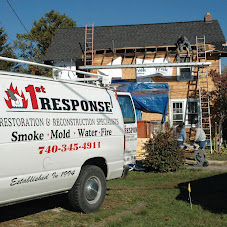
Showing posts with label fire damage. Show all posts

Monday, October 22, 2012

Last February we moved our offices to our current location in East Newark , and during the move I found a baseball that was nestled in the back of a large drawer. I glanced down, and there was that famous signature, I remember when I asked him to sign it, he graciously did, and it brought back so many memories.

The year was 1981, a hot sultry August Saturday night under a full moon with over 12,000 cheering fans crowded in to Don Edwards Babe Ruth Baseball facility. Baseball  players 19 years old  from all over the
United Sates that were selected by a sophisticated tryout program orchestrated by the (United States Baseball Federated) and  (IMBIA) a division of the Olympic Committee were standing at attention as the National Anthem played.

As the National Anthem faded into the night the fans went wild as they cheered for boys that they had grown to know during the last seven days. They came from all over the world to play in the world’s first World Friendship Baseball Series.

Across the field stood the opposing team standing in a regimented format looking almost military like. The Korean music began to play and the entire ball park stood at attention as we listened to the words and music to their National Anthem. The Anthem came to an end and again the standing room only baseball facility went berserk as the United Stated cheered and welcomed the team from Korea .

The evening was the highlight of one of the largest "all volunteer" events ever organized in Newark , Ohio .

Let’s go back in time…..

It’s the summer of 1979 several months after our Second Babe Ruth World Series, we were campaigning and using every contact from the Governor to local business leaders for their support in hosting the first ever World Friendship Baseball Series to be comprised of 11 teams from almost every continent in the world and a team from the United States.

Our community organized many people and businesses during the two Babe Ruth World Series,so we were the first choice by the United States Baseball Federation” and “IMABA,” a branch of the world Olympic Committee, to host the first ever World Series for 19 year olds. .
  
During lunch at Annarino’s Center Cafe, Don Edwards, Roger Balding and Tom Newman approached me to be the “Host Chairman” of the first ever International World Baseball Series ever held for 19 year olds. This series was to be the format for selecting teams and players to play baseball in future Olympics.  

Now, I’d been part of a few who worked to bring all the Babe Ruth Series together, but working on a world stage was a different challenge. The first thing in my mind was how I can get out of this predicament. My first thought was my Dad. I had already taken too much time away from our company during the two Babe Ruth World Series, so this will be an easy out for me.
  
My response to this group was “thanks for asking, but no thanks” my father would have no hide nor hair of me taking off any more time. Well, about this time these guys laid it on my Dad, and he said I could have the time off if I chose to accept this position. After nearly passing out, my response was, “I’ll think about this challenge as it was going to be the biggest thing I had ever encountered. I’d give them my answer after  some thought.”

After a lot of soul searching and discussion among people who’d be part of this “epic event” I accepted this community wide, and I mean “community wide” project.

The United States Baseball Federation and “IUMBIA” sent me to Tokyo , Japan to present this first ever 19 year old baseball series event to a world congress of baseball officials. It was just like the United Nations all the countries had little head phones listening to him being interpreted to their language while sitting behind a  sign hosting the name of their country.

My interpreter and I spent the next several days meeting other baseball officials from about 40 countries who committed to the possibility of coming to Newark , Ohio in a little more than a year to play in our world series.

Soon after the Japan trip, it was decided the countries who were going to be invited to our ‘World Friendship Series.’ This was the beginning of probably the biggest committee of volunteers ever assembled in our community.

Our biggest problem was how to or orchestrate such an event and host 11 different countries. I specifically chose 40 community people to be committee chairpersons, most of whom I had never meet. They recruited approximately another 1,200 1,400 volunteers.

I can remember in rather large meetings with well over 50 people in attendance, Jerry Nethers said, “What the heck are you doing running an international  baseball tournament. You don’t the difference between an ERA and an IRA.” I told Jerry, one of my closet friends, “I don’t need to know. I’m a team builder and have assembled people a lot smarter than me.”

Fast forward to a Saturday night in August, 1981, and the second game of the 3 game wining series. Korea is up one game. I was standing on the first base line with a nationally known baseball player who was a team mate of Babe Ruth. I  spent the better half of the afternoon with other baseball officials listening to stories about the “Babe” by none other than left hander New York Yankee, Lefty Gomez. How could it be any better, A full moon, standing room only, and our USA home team playing for the championship? We were being televised to South America and being radio broadcast all over the world from Newark , Ohio and here I was, standing beside Lefty Gomez. It couldn’t be any better.

Then it happened Korea won game two and took home the first ever “World Friendship Baseball Series” Championship.

I looked down at the baseball in my hand, autographed by Lefty Gomez, to Dave and Tim. I remembered their father handing me the ball and asking me to get it autographed, which I did. In all the excitement of the moment I forgot about the ball. I wonder if anyone knows of their whereabouts. Dave and Tim, where are you? If anyone knows, please contact me on Facebook or at 1st Response.


Monday, October 15, 2012

How Do I Winterize a Vacant House?

First of all, it is advisable to leave the heat on very low. Though it might seem like a waste of money or energy at first glance, a minimal heating bill will be less expensive than the cost of potential repairs if everything were to freeze up. There are many systems and components in a house that are meant to be kept at or near room temperature. By using your furnace or boiler at a low level, you are keeping these things secure.

Most people know that a big part of winterizing is dealing with pipes and plumbing. If you have turned off the water, hopefully that means the house was plumbed on a downgrade so you were able to drain all the pipes completely and eliminate the chance of water expanding inside them and breaking the pipes. If not, it usually is advisable to leave some water running through the pipes by turning on the fixture closest to where water enters the house and at the farthest point indoors, say in an upstairs bathroom. It needs to trickle constantly to keep water flowing.

It is also advisable to wrap insulation around the water heater, the pipes leading to and from it and insulate any pipes exposed outdoors, in a crawl space under the house, etc. If the pilot light is left on, it is not necessary to drain the water heater, but if not, then it probably should be drained and turned off. You might call a local plumbing company in your area to discuss whether you should turn the water back on or not.

It is not a bad idea to put some anti-freeze in both the tank and the bowl of each toilet. If the heat goes out and water inside the toilets freezes, it could crack the china fixtures.


Winterizing your plumbing and water systems might be the most important aspect of winterizing in general, but coming in pretty close is inspecting your roof and cleaning out your gutters. The roof and attic of a vacant house might be left alone for very long periods of time, so getting a roof inspection before cold weather hits is a fantastic idea, and could end up saving you some serious money in the long run. Gutters, like plumbing, can develop real problems if ice is allowed to build up in them. Having your gutters cleaned before winter begins will reduce the risk of too much ice forming inside them.

Finally, make sure someone checks on the house every week or two, if at all possible. Though you can certainly take precautions such as winterizing whatever you can in and around the house, unexpected situations can still occur. A quick look around done periodically for as long as the house is empty (even during warmer weather) can mean the difference between a problem being caught early enough to be fixed before any damage is done, and a problem that's left unchecked long enough to cause hundreds or even thousands of dollars in damage.

Wednesday, October 10, 2012

FIRE

Fire is the rapid oxidation of a material in the exothermic chemical process of combustion, releasing heat, light, and various reaction products. Slower oxidation processes like rusting or digestion are not included by this definition. In ancient Greece, fire was considered one of four elements.

The flame is the visible portion of the fire. If hot enough, the gases may become ionized to produce plasma. Depending on the substances alight, and any impurities outside, the color of the flame and the fire's intensity will be different.

Fire in its most common form can result in conflagration, which has the potential to cause physical damage through burning. Fire is an important process that affects ecological systems across the globe. The positive effects of fire include stimulating growth and maintaining various ecological systems. Fire has been used by humans for cooking, generating heat, signaling, and propulsion purposes. The negative effects of fire include water contamination, soil erosion, atmospheric pollution and hazard to human and animal life.

Tuesday, October 9, 2012

Remembering


NEWARK — Craig Young remembers the morning in 1992 when he walked into the burned building that used to house his contracting business.

There was soot on the walls and a thick smell of smoke; he could hear the water-logged carpet squish as he walked across it.

At first, as a contractor, Young assumed he’d be able to fix the damage. But he soon realized the specialized process of repairing fire damage required equipment and skills he did not possess. As he watched people come in to clean up, he remembered looking at the commercial-grade dehumidifier and thinking, “I ought to get one of those.”

Twenty years later, as the owner of 1st Response Restoration and Reconstruction Specialists, Young is the owner of a dehumidifier and countless other special tools his company uses to combat damage caused by fire, smoke, mold and water.

“In this business, there are so many tricks of the trade,” said Young, who has been in the contracting business since his youth.

After his Manning Street business caught fire in 1992, Young began exploring what it would take to operate a business that specialized in the removal of fire, water and mold damage.

He eventually opened a local franchise of Purofirst, a national company, and 10 years later left the franchise to start 1st Response, a full-service construction company certified with the Institute of Inspection, Cleaning and Restoration Certification.

He meets with people who have walked into their homes for the first time after a fire to realize the roof is gone, the living room is scorched or the floor is covered in water.

Young tells them it will be OK — he’s been there.

The 1st Response crew sizes up the damage and springs into action, first looking to save as much of the structure as possible.

“Our goal is to repair and restore, rather than rip and replace,” Young said.

Items are taken from the customer’s home or business to the 1st Response facility on O’Bannon Avenue, where they individually are cleaned or replaced if necessary.

It’s a great feeling, showing a customer a room, business or home that has been brought back to life, Young said.

“When people come in and they see that finished product, that’s your business card,” he said.

The 24 hours per day, seven-days-per-week service primarily operates in Licking and surrounding counties. It keeps Young and his employees busy, but he couldn’t imagine doing anything else.

“It’s a very rewarding business,” Young said.

Tuesday, September 11, 2012

Full Service Contractor - 1st Response


740-345-4911
Serving Licking, Knox, Coshocton,
Muskingum, Perry and Fairfield Counties

1st Response

CALL 1st RESPONSE
740-345-4911
Serving Licking, Knox, Coshocton,
Muskingum, Perry and Fairfield Counties


Some of the benefits of working with 1st Response, include:

A full-service construction company.

A Certified Firm with the INSTITUTE OF INSPECTION, CLEANING AND RESTORATION CERTIFICATION.

We are a Preferred Contractor for most major insurance companies, and have worked with over 50 other insurance firms.

The Staff personally responds immediately to every call.

Emergency service 24 hours a day, 7 days a week.

Our Certified, trained technicians use the latest technology available for restoration and reconstruction work.

You will receive a timely and accurate estimate.

Immediate Board-Up


1st Response, Newark, Ohio


Before and After


Friday, February 10, 2012

WE ARE MOVING
to
242 O'Bannon Avenue
Newark, Ohio 43055
On the Northeast corners of O'Bannon Avenue
and Garfield Avenue


740-345-4911


Thursday, July 14, 2011

Some Summer Tips

Some "tips" to keep cool during these HOT Summer days.

1. Reduce the cooling load by employing cost-effective conservation measures. Provide effective shade for east and west windows. When possible, delay heat-generating activities such as dish washing until evening on hot days.

2. Over most of the cooling season, keep the house closed tight during the day. Don’t let in unwanted heat and humidity. Ventilate at night either naturally or with fans.

3. You can help get rid of unwanted heat through ventilation if the temperature of the incoming air is 77 F or lower. (This strategy works most effectively at night and on cooler days.) Window fans for ventilation are a good option if used properly. They should be located on the downwind side of the house facing out. A window should be open in each room. Interior doors must remain open to allow air flow.

4. Use ceiling fans to increase comfort levels at higher thermostat settings. The standard human comfort range for light clothing in the summer is between 72 F and 78 F. To extend the comfort range to 82 F, you need a breeze of about 2.5 ft/sec or 1.7 mph. A sow-turning ceiling-mounted paddle fan can easily provide this air flow.

5. In hot climates, plant shade trees around the house. Don’t plant trees on the South if you want to benefit from passive solar heating in the winter.

6. If you have an older central air conditioner, consider replacing the outdoor compressor with a modern, high-efficiency unit. Make sure that it is properly matched to the indoor unit.

7. If buying a new air conditioner, be sure that it is properly sized. Get assistance from an energy auditor or air conditioning contractor.

8. Buy a high-efficiency air conditioner: for room air conditioners, the energy efficiency ratio (EER) rating should be above 10; for central air conditioners, look for a seasonal energy efficiency ratio (SEER) rating above 12.

9. In hot, humid climates, make sure that the air conditioner you buy will adequately get rid of high humidity. Models with variable or multi-speed blowers are generally best. Try to keep moisture sources out of the house.

10. Try not to use a dehumidifier at the same time your air conditioner is operating. The dehumidifier will increase the cooling load and force the air conditioner to work harder.

11. Seal all air conditioner ducts, and insulate ducts that run through unheated basements, crawl spaces, and attics.

12. Keep the thermostat set at 78 degrees F or higher if using ceiling fans. Don’t air-condition unused rooms.

13. Maintain your air conditioners properly to maximize efficiency.

Friday, November 19, 2010

More Winterizing Tips

WINDOWS AND DOORS:


Check windows and doors to prevent air from seeping into your home.

Checking for air gaps is done best on a windy day because you will be able to feel where the drafts are more easily. Light a few incense sticks and run them around door and window openings, watch the smoke trail and if there is a leak it will be real easy to spot.

A small 1/4" gap at the threshold of a door is equal to a 4" hole in the wall!

The rubber insert on thresholds tends to get hard and brittle with age and they tend to collapse so it may be time to replace it.. Most thresholds can simply be removed and a new rubber insert threaded in.

Don't overlook your wall outlets, its amazing how much outside air comes in around the openings.

Quick Fix: Install foam precut pads in behind the plates. Most all home building centers and hardware stores carry them.

Use a good quality caulking compound and seal up any cracks between the side walls of the house and the window frames. Clean and lubricate the window frame channels, if there are any gaps you can seal with one of the many strip adhesive backed weatherstrip available at local home centers and hardware stores.

Clean gutters & downspouts.Check the gutter supports.

Exterior paint-check for peeling, holes, cracks,soft and rotten wood, chalking.

Check siding-hammer in nails that have popped, replace rusty nails with galvanized nails.

Caulk any leaks or cracks in basement walls and seal.

See that all doors and windows close & lock properly. Lubricate hinges and door locks.

Thursday, October 21, 2010

Winter will be here soon

Winter may be a few months away, but now is a great time to start getting ready for it. With energy prices on the rise, it is important to find ways to cut costs and reduce the amount of energy you use in the winter. Let’s go over a few quick ways to help lower your energy costs and get ready for winter.


First, one of the easiest ways to dramatically reduce your home heating costs is by sealing your windows. There are many different kinds of window kits available that will completely seal off any gaps or drafts. Summertime is a great time to purchase these kits since they will typically be marked down by 50% or more. This means instead of spending $5 or more per window, you can do it for about $2.50 a window. If you’ve got a lot of windows in your home, this can really add up.

Summer is also a good time to start thinking about your insulation and the shape it may be in. If your home is fairly new, you should not have to worry about this. However, if you have noticed that no matter what you do your house still feels pretty cold, poor insulation may be the culprit. Look at the R rating on your current insulation and double check to make sure that it is meant for your area. If it is, it may have degraded, or you may need a little more to make your house feel cozy.

If you have a forced air heating system, it’s time to get those filters out and replaced. Having a clean filter in your furnace can reduce your heating costs significantly. Once again, you can take advantage of summer discounts and stock up on filters for the entire year. You should be replacing them at least every month, or more if you live in a particularly dusty area.

Wednesday, July 7, 2010

Some tips for summer living

Light and Airy - Make your home as light as possible. Invest in some thin and sheer curtains that look beautiful, provide privacy and keep the room cool. Heavy, synthetic drapes are definitely a no-no in the summer months. Beautiful cotton drapes in bold patterns and bright colors look good.

Cool Colors - Furnish your home in cool and soothing colors. Use bed sheets and pillow cases in colors like white, crème, yellow, blue, orange etc. Bed spreads and table cloths in vibrant patterns and flowery prints create a airy and relaxed atmosphere in the summer months.

Simplicity - Put away all your heavy and thick carpets that look and feel hot. Instead, invest in small and thin rugs that look good and feel great. Remember - less is more in summers!

Bring Nature to your Home - Seasonal flowers can brighten up your home. Pick flowers from your garden or invest in some fresh flowers for all the rooms of your home. Small, green plants create a cooling effect in your home.

In the afternoons, draw all the curtains of your house. This will automatically cool off the home and keep the heat out.

If you don't already have them, go shopping for some cheery wind chimes. Hang them at the entrance or high up where there is a cross ventilation. Let your home come to life with the soothing sounds of the chimes.

I you should suffer fire damage, smoke damage, water damage or storm damage, remember 1st Response.

Friday, June 18, 2010

Going Away??

If you are going on a week-end trip, business related trip, or a well deserved vacation you don't only need a "things-to-remember" list, but also a "Home To-Do List" as well. You do not want to find yourself in the middle of a business meeting, on the nice sunny beach or even just a 100 or so miles away when you get that panic feeling of "did I forget... did I remember... to do this, to do that?", pay that due bill, leave fresh water and food for the cat, etc.


So, when leaving, make these 4 tasks complete before you go, and also check out our time saving ideas as well.

It is highly suggested that you utilize automatic light timers that work just as well on radios, televisions, to make the home looked lived-in, like you are not away. Stop newspaper delivery for the time you are away, these piled up on your doorstep or end of driveway can be a real sign that your home is empty and no one is there, leaving you wide open and vulnerable. Mail too can be held at your local post office and resume delivery when you return home.

You can also use auto pay for your important bills. Pay utilities online so that the payment will be made via internet through your account, so you can rest assured that you do not miss a payment and a bill is not awaiting your return. You can even call your payments in using your Master or Visa card, and it is a secure way too. By taking the one-time payment option you can assure you will only be charged this one time while you are away enjoying yourself.

Not only do you have to make arrangement for your pets, but your plants as well. You can hire someone to water them or put them near your automatic sprinkler system if you have one. If you must leave your pets at home, make sure you ask a neighbor who is reliable and can feed and give them water daily. I also suggest they have their own vehicle to transport the pets in case of an emergency.

To save on some of the energy billing and reducing costs, turn off gas and water, unplug some of the appliances like the microwaves, televisions and other ones that you will not be utilizing. This also reduced the danger of power surges if you should experience a power outage while you are away. If you have gas stoves, turn off the pilot lights to save even more while you are gone.

There tips, as little as just paying a bill ahead of time, or using auto bill pay to putting lights on automatic timers can save you much stress and anxiety while being away from your home and assuring that your home and pets will be safe upon your return.

Saturday, May 22, 2010

Water Damage: How to protect your home

The first signs of water damage might seem trivial. But warnings like water stains on the ceilings or a leak under the kitchen sink can lead to real problems, like a weakened roof or rotten floorboards. A burst pipe can even damage your furniture and other personal possessions. Why take a chance? Learn where your home is most likely to suffer water damage, and what you can do to help prevent it.

Inside your home


Kitchen

•Dishwasher – Periodically check for leaks under the sink where the hose connects to the water supply. Look around the base of the dishwasher for evidence of leaks, such as discolored, warped, or soft flooring materials, or water damage to nearby cabinets.

•Refrigerator – If your refrigerator has an icemaker, make sure the hose connection is securely attached to the water supply line. Also, a wet spot on the floor may be a sign of a crimped icemaker line about to burst.

•Sink – Replace deteriorated caulk around sinks, and check the pipes under the sink for leaks. A slow-draining pipe may indicate a partially blocked drain that needs cleaning.

Bathroom

•Showers and bathtubs – Remove and replace deteriorated or cracked caulk and grout. Water can leak through these damaged sealants, causing stains or soft areas around nearby walls and floors.

•Sinks – Check under the sink for leaks from water supply lines or drainpipes.

•Toilets – Clogs can result from too much toilet paper or objects such as hanging bowl deodorants. Also, some chlorine tablet cleaners may corrode internal plastic or rubber parts, leading to a leak.

Basement, Laundry or Utility room

•Washing machine – Check hoses regularly for bulging, cracking, fraying, and leaks around hose ends. Replace the hose if a problem is found or every three to five years as part of a proactive maintenance program. To help make sure the hose doesn’t kink, leave at least four inches (or 11 centimeters) between the water connection and the back of the washing machine.

•Water heater – Most water heaters last eight to 15 years. Wet spots on the floor or a rusted tank may signal a leak. Water heaters should be installed on the lowest level of the home, next to a floor drain, or inside a drain pan piped to the floor drain.

•Sump pump – Battery-operated back-up sump pumps can help protect against power failure or failure of the primary pump. Test the sump pump before the start of each wet season. Sump pumps are not intended to last more than 10 years and must have some components replaced or serviced within those 10 years.

Since water may still come through an overflowing drain or cracks in the foundation walls, make sure items stored in the basement are kept off the floor. Furniture should be on casters or shims and arranged away from floor drains.

Stopping leaks at the source

•Check for hidden leaks. First, turn off faucets and all water-using appliances, and don’t flush toilets for one hour. Then, record the water meter reading. If the flow indicator (triangular or diamond-shaped rotating button) is spinning or the meter reading has changed while no water is being used, a leaking pipe may exist.

•Make sure everyone in your household knows where the water shutoff valve is and how to open and close it. Check it frequently for problems, and shut off the water if you will be away from your home for several days or longer.

Tuesday, April 13, 2010

Routine care of Decks

Every week, sweep deck floors and thresholds with an outdoor push broom (or more frequently, if necessary) to remove leaves and other debris. Dust railings and windowsills with a counter brush.

Always shovel your deck after snowstorms. The weight of snow can damage the deck and the excess moisture can harm untreated wood.

Seasonal Maintenance

To wash a deck by hand, first sweep thoroughly and use an old saw blade or putty knife to remove any debris caught between the boards. Next, hose down the deck and scrub it with a long-handled deck brush and a solution of all-purpose cleaner and water, working in strokes that run parallel to the grain of the boards. For tough stains, use a commercial deck brightener or oxalic acid, which lighten dingy, gray wood.

If you have a large deck or porch, a power washer saves time. This machine uses high-pressured water to blast away dirt, mildew, and some stains. However, power washers can open the pores in untreated wood surfaces, exposing the surface to the elements and decreasing the deck's life span.

Once the deck is clean, check for wobbly nails that may have come loose over the winter. Remove them, and replace with galvanized, all-purpose deck screws, which are less likely to pop out of wood than nails are. Fill holes with wood filler, and sand smooth. Carry out any other repairs, such as replacing a splintered or warped board, before the damage worsens.

Once a year (or when drops of water no longer bead on the surface but are absorbed into the wood), coat the deck with a water-based waterproofing sealer. Choose a sealer that contains a UV protector to help block the sun's damaging ultraviolet rays.

If an EMERGENCY arises, 1st Response is just a phone call away. 24/7 Personal Care.

Thursday, December 17, 2009


1st Response covers six counties in Central Ohio. They are Knox, Coshocton, Licking, Muskingum, Fairfield and Perry.

WE ARE A FULL SERVICE CONSTRUCTION COMPANY

Fire and Smoke Damage


Smoke and Odor Removal
Cigarette Smoke
Smoke from Fires
Skunk Odor
Structure Repair
Temporary Board-up
Structure Cleaning
Drywall Repair
Painting
Cleaning and Restoration
Office Furniture
Carpet
Upholstery
Drapery
Total Content Cleaning

Water Damage

Water Extraction
Drying Dehumidification
Interior Wall Drying
Mold and Mildew Odor Removal
And Containment

Carpet Restoration
Cleaning and Deodorization
Carpet Pad Removal and
Replacement
Carpet Replacement

Repair and Reconstruction
Base Removal and Replacement
Drywall Repair and Replacement
Stain Removal
Specialty

Electronic Equipment Restoration
Stain Removal
Fine Arts Restoration
Document Restoration

Cold Winter Weather .... and water pipes

Before the cold hits
Insulate pipes in your home's crawl spaces and attic. These exposed pipes are most susceptible to freezing. Remember - the more insulation you use, the better protected your pipes will be.

Heat tape or thermostatically-controlled heat cables can be used to wrap pipes. Be sure to use products approved by an independent testing organization, such as Underwriters Laboratories Inc., and only for the use intended (exterior or interior). Closely follow all manufacturers' installation and operation instructions.

Seal leaks that allow cold air inside near where pipes are located. Look for air leaks around electrical wiring, dryer vents and pipes. Use caulk or insulation to keep the cold out and the heat in. With severe cold, even a tiny opening can let in enough cold air to cause a pipe to freeze.

Disconnect garden hoses and, if practical, use an indoor valve to shut off and drain water from pipes leading to outside faucets. This reduces the chance of freezing in the short span of pipe just inside the house.

When the mercury drops
A trickle of hot and cold water might be all it takes to keep your pipes from freezing. Let warm water drip overnight, preferably from a faucet on an outside wall.

Open cabinet doors to allow heat to get to uninsulated pipes under sinks and appliances near exterior walls.

Before you go away
Set the thermostat in your house no lower than 55°F (12°C).

Ask a friend or neighbor to check your house daily to make sure it's warm enough to prevent freezing or

Shut off and drain the water system. Be aware that if you have a fire protection sprinkler system in your house, it will be deactivated when you shut off the water.

If your pipes freeze
Don't take chances. If you turn on your faucets and nothing comes out, leave the faucets turned on and call a plumber. If you detect that your water pipes have frozen and burst, turn off the water at the main shut-off valve in the house; leave the water faucets turned on. (Make sure everyone in your family knows where the water shut-off valve is and how to open and close it.)

Never try to thaw a pipe with a torch or other open flame. Water damage is preferable to burning down your house. You may be able to thaw a frozen pipe with the warm air from a hair dryer. Start by warming the pipe as close to the faucet as possible, working toward the coldest section of pipe. Do not use electrical appliances in areas of standing water because you could be electrocuted.

1st Response - A Full Service Construction Company


Someone recently asked me, "What all do you do out there, Craig?"

1st Response does THIS and MORE .........................

A Full Service Construction Company
Specializing in Fire, Smoke, Water & Storm Damage Restoration
Emergency Water Extraction
Dehumidification and Drying
Smoke and Odor Removal
Complete Structure Repair
Fire and Smoke Damage
Emergency Board-Up
Pack-outs and Storage
Debris Removal
Vandalism
Total Content Cleaning
Storm Damage
Electronics Cleaning

24 HOUR EMERGENCY SERVICE
740-345-4911

ADDITIONAL SERVICES PROVIDED

Drywall
Framing
Electrical
Plumbing
Finish Trim
Patio & Decks
Room Additions
Roofing & Siding
Carpet - Vinyl - Tile
Bathrooms & Kitchens
Door & Window Replacement

Followers