Some tips to help you keep your home a little cooler during these very hot summer days.
Reduce the cooling load by employing cost-effective conservation measures. Provide effective shade for east and west windows. When possible, delay heat-generating activities such as dishwashing until evening on hot days.
Over most of the cooling season, keep the house closed tight during the day. Don’t let in unwanted heat and humidity. Ventilate at night either naturally or with fans.
You can help get rid of unwanted heat through ventilation if the temperature of the incoming air is 77 F or lower. (This strategy works most effectively at night and on cooler days.) Window fans for ventilation are a good option if used properly. They should be located on the downwind side of the house facing out. A window should be open in each room. Interior doors must remain open to allow air flow.
Use ceiling fans to increase comfort levels at higher thermostat settings. The standard human comfort range for light clothing in the summer is between 72 F and 78 F. To extend the comfort range to 82 F, you need a breeze of about 2.5 ft/sec or 1.7 mph. A slow-turning ceiling-mounted paddle fan can easily provide this air flow.
Try not to use a dehumidifier at the same time your air conditioner is operating. The dehumidifier will increase the cooling load and force the air conditioner to work harder.
Seal all air conditioner ducts, and insulate ducts that run through unheated basements, crawl spaces, and attics.
Keep the thermostat set at 78 degrees F or higher if using ceiling fans. Don’t air-condition unused rooms.
Maintain your air conditioners properly to maximize efficiency.
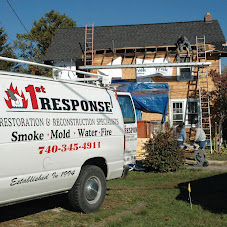
When an emergency arises, call 1st Response.
Wednesday, August 11, 2010


Wednesday, July 7, 2010
Some tips for summer living
Light and Airy - Make your home as light as possible. Invest in some thin and sheer curtains that look beautiful, provide privacy and keep the room cool. Heavy, synthetic drapes are definitely a no-no in the summer months. Beautiful cotton drapes in bold patterns and bright colors look good.
Cool Colors - Furnish your home in cool and soothing colors. Use bed sheets and pillow cases in colors like white, crème, yellow, blue, orange etc. Bed spreads and table cloths in vibrant patterns and flowery prints create a airy and relaxed atmosphere in the summer months.
Simplicity - Put away all your heavy and thick carpets that look and feel hot. Instead, invest in small and thin rugs that look good and feel great. Remember - less is more in summers!
Bring Nature to your Home - Seasonal flowers can brighten up your home. Pick flowers from your garden or invest in some fresh flowers for all the rooms of your home. Small, green plants create a cooling effect in your home.
In the afternoons, draw all the curtains of your house. This will automatically cool off the home and keep the heat out.
If you don't already have them, go shopping for some cheery wind chimes. Hang them at the entrance or high up where there is a cross ventilation. Let your home come to life with the soothing sounds of the chimes.
I you should suffer fire damage, smoke damage, water damage or storm damage, remember 1st Response.
Cool Colors - Furnish your home in cool and soothing colors. Use bed sheets and pillow cases in colors like white, crème, yellow, blue, orange etc. Bed spreads and table cloths in vibrant patterns and flowery prints create a airy and relaxed atmosphere in the summer months.
Simplicity - Put away all your heavy and thick carpets that look and feel hot. Instead, invest in small and thin rugs that look good and feel great. Remember - less is more in summers!
Bring Nature to your Home - Seasonal flowers can brighten up your home. Pick flowers from your garden or invest in some fresh flowers for all the rooms of your home. Small, green plants create a cooling effect in your home.
In the afternoons, draw all the curtains of your house. This will automatically cool off the home and keep the heat out.
If you don't already have them, go shopping for some cheery wind chimes. Hang them at the entrance or high up where there is a cross ventilation. Let your home come to life with the soothing sounds of the chimes.
I you should suffer fire damage, smoke damage, water damage or storm damage, remember 1st Response.
Friday, June 18, 2010
Going Away??
If you are going on a week-end trip, business related trip, or a well deserved vacation you don't only need a "things-to-remember" list, but also a "Home To-Do List" as well. You do not want to find yourself in the middle of a business meeting, on the nice sunny beach or even just a 100 or so miles away when you get that panic feeling of "did I forget... did I remember... to do this, to do that?", pay that due bill, leave fresh water and food for the cat, etc.
So, when leaving, make these 4 tasks complete before you go, and also check out our time saving ideas as well.
It is highly suggested that you utilize automatic light timers that work just as well on radios, televisions, to make the home looked lived-in, like you are not away. Stop newspaper delivery for the time you are away, these piled up on your doorstep or end of driveway can be a real sign that your home is empty and no one is there, leaving you wide open and vulnerable. Mail too can be held at your local post office and resume delivery when you return home.
You can also use auto pay for your important bills. Pay utilities online so that the payment will be made via internet through your account, so you can rest assured that you do not miss a payment and a bill is not awaiting your return. You can even call your payments in using your Master or Visa card, and it is a secure way too. By taking the one-time payment option you can assure you will only be charged this one time while you are away enjoying yourself.
Not only do you have to make arrangement for your pets, but your plants as well. You can hire someone to water them or put them near your automatic sprinkler system if you have one. If you must leave your pets at home, make sure you ask a neighbor who is reliable and can feed and give them water daily. I also suggest they have their own vehicle to transport the pets in case of an emergency.
To save on some of the energy billing and reducing costs, turn off gas and water, unplug some of the appliances like the microwaves, televisions and other ones that you will not be utilizing. This also reduced the danger of power surges if you should experience a power outage while you are away. If you have gas stoves, turn off the pilot lights to save even more while you are gone.
There tips, as little as just paying a bill ahead of time, or using auto bill pay to putting lights on automatic timers can save you much stress and anxiety while being away from your home and assuring that your home and pets will be safe upon your return.
So, when leaving, make these 4 tasks complete before you go, and also check out our time saving ideas as well.
It is highly suggested that you utilize automatic light timers that work just as well on radios, televisions, to make the home looked lived-in, like you are not away. Stop newspaper delivery for the time you are away, these piled up on your doorstep or end of driveway can be a real sign that your home is empty and no one is there, leaving you wide open and vulnerable. Mail too can be held at your local post office and resume delivery when you return home.
You can also use auto pay for your important bills. Pay utilities online so that the payment will be made via internet through your account, so you can rest assured that you do not miss a payment and a bill is not awaiting your return. You can even call your payments in using your Master or Visa card, and it is a secure way too. By taking the one-time payment option you can assure you will only be charged this one time while you are away enjoying yourself.
Not only do you have to make arrangement for your pets, but your plants as well. You can hire someone to water them or put them near your automatic sprinkler system if you have one. If you must leave your pets at home, make sure you ask a neighbor who is reliable and can feed and give them water daily. I also suggest they have their own vehicle to transport the pets in case of an emergency.
To save on some of the energy billing and reducing costs, turn off gas and water, unplug some of the appliances like the microwaves, televisions and other ones that you will not be utilizing. This also reduced the danger of power surges if you should experience a power outage while you are away. If you have gas stoves, turn off the pilot lights to save even more while you are gone.
There tips, as little as just paying a bill ahead of time, or using auto bill pay to putting lights on automatic timers can save you much stress and anxiety while being away from your home and assuring that your home and pets will be safe upon your return.
Saturday, May 22, 2010
Water Damage: How to protect your home
The first signs of water damage might seem trivial. But warnings like water stains on the ceilings or a leak under the kitchen sink can lead to real problems, like a weakened roof or rotten floorboards. A burst pipe can even damage your furniture and other personal possessions. Why take a chance? Learn where your home is most likely to suffer water damage, and what you can do to help prevent it.
Inside your home
Kitchen
•Dishwasher – Periodically check for leaks under the sink where the hose connects to the water supply. Look around the base of the dishwasher for evidence of leaks, such as discolored, warped, or soft flooring materials, or water damage to nearby cabinets.
•Refrigerator – If your refrigerator has an icemaker, make sure the hose connection is securely attached to the water supply line. Also, a wet spot on the floor may be a sign of a crimped icemaker line about to burst.
•Sink – Replace deteriorated caulk around sinks, and check the pipes under the sink for leaks. A slow-draining pipe may indicate a partially blocked drain that needs cleaning.
Bathroom
•Showers and bathtubs – Remove and replace deteriorated or cracked caulk and grout. Water can leak through these damaged sealants, causing stains or soft areas around nearby walls and floors.
•Sinks – Check under the sink for leaks from water supply lines or drainpipes.
•Toilets – Clogs can result from too much toilet paper or objects such as hanging bowl deodorants. Also, some chlorine tablet cleaners may corrode internal plastic or rubber parts, leading to a leak.
Basement, Laundry or Utility room
•Washing machine – Check hoses regularly for bulging, cracking, fraying, and leaks around hose ends. Replace the hose if a problem is found or every three to five years as part of a proactive maintenance program. To help make sure the hose doesn’t kink, leave at least four inches (or 11 centimeters) between the water connection and the back of the washing machine.
•Water heater – Most water heaters last eight to 15 years. Wet spots on the floor or a rusted tank may signal a leak. Water heaters should be installed on the lowest level of the home, next to a floor drain, or inside a drain pan piped to the floor drain.
•Sump pump – Battery-operated back-up sump pumps can help protect against power failure or failure of the primary pump. Test the sump pump before the start of each wet season. Sump pumps are not intended to last more than 10 years and must have some components replaced or serviced within those 10 years.
Since water may still come through an overflowing drain or cracks in the foundation walls, make sure items stored in the basement are kept off the floor. Furniture should be on casters or shims and arranged away from floor drains.
Stopping leaks at the source
•Check for hidden leaks. First, turn off faucets and all water-using appliances, and don’t flush toilets for one hour. Then, record the water meter reading. If the flow indicator (triangular or diamond-shaped rotating button) is spinning or the meter reading has changed while no water is being used, a leaking pipe may exist.
•Make sure everyone in your household knows where the water shutoff valve is and how to open and close it. Check it frequently for problems, and shut off the water if you will be away from your home for several days or longer.
Inside your home
Kitchen
•Dishwasher – Periodically check for leaks under the sink where the hose connects to the water supply. Look around the base of the dishwasher for evidence of leaks, such as discolored, warped, or soft flooring materials, or water damage to nearby cabinets.
•Refrigerator – If your refrigerator has an icemaker, make sure the hose connection is securely attached to the water supply line. Also, a wet spot on the floor may be a sign of a crimped icemaker line about to burst.
•Sink – Replace deteriorated caulk around sinks, and check the pipes under the sink for leaks. A slow-draining pipe may indicate a partially blocked drain that needs cleaning.
Bathroom
•Showers and bathtubs – Remove and replace deteriorated or cracked caulk and grout. Water can leak through these damaged sealants, causing stains or soft areas around nearby walls and floors.
•Sinks – Check under the sink for leaks from water supply lines or drainpipes.
•Toilets – Clogs can result from too much toilet paper or objects such as hanging bowl deodorants. Also, some chlorine tablet cleaners may corrode internal plastic or rubber parts, leading to a leak.
Basement, Laundry or Utility room
•Washing machine – Check hoses regularly for bulging, cracking, fraying, and leaks around hose ends. Replace the hose if a problem is found or every three to five years as part of a proactive maintenance program. To help make sure the hose doesn’t kink, leave at least four inches (or 11 centimeters) between the water connection and the back of the washing machine.
•Water heater – Most water heaters last eight to 15 years. Wet spots on the floor or a rusted tank may signal a leak. Water heaters should be installed on the lowest level of the home, next to a floor drain, or inside a drain pan piped to the floor drain.
•Sump pump – Battery-operated back-up sump pumps can help protect against power failure or failure of the primary pump. Test the sump pump before the start of each wet season. Sump pumps are not intended to last more than 10 years and must have some components replaced or serviced within those 10 years.
Since water may still come through an overflowing drain or cracks in the foundation walls, make sure items stored in the basement are kept off the floor. Furniture should be on casters or shims and arranged away from floor drains.
Stopping leaks at the source
•Check for hidden leaks. First, turn off faucets and all water-using appliances, and don’t flush toilets for one hour. Then, record the water meter reading. If the flow indicator (triangular or diamond-shaped rotating button) is spinning or the meter reading has changed while no water is being used, a leaking pipe may exist.
•Make sure everyone in your household knows where the water shutoff valve is and how to open and close it. Check it frequently for problems, and shut off the water if you will be away from your home for several days or longer.
Tuesday, May 4, 2010
After the Flood Tips
1.Exercise caution when first entering your home. If there is still standing water, it is prudent to wear rubber boots and gloves. Turn the electricity off at the breaker box and get all electrical appliances and extension cords up on higher ground dry them out. Make sure your home is structurally safe, which means looking out for broken sharp objects on the floor and anything you might trip over.
2.Boil all drinking water or use bottled water. All drinking water should be either boiled, put through a water purifier or use bottled water. Areas that are dry but have been exposed to sewage should be thoroughly washed down with a solution of household bleach and water. We recommend a 25% bleach to water solution.
3.If in doubt, throw it out. Toss out all water damaged rugs, particle board furniture, mattresses, suitcases, food, even photographs and books, and follow your local authority guidelines for disposal. Many electrical appliances will not survive if they have been submerged in water. Dishwashers, refrigerators and vacuum cleaners are cheaper to replace than repair. Use rubber gloves and mask to clean loose debris to not inhale any toxic particles.
4.Wash and dry everything you can. This includes water soaked bedding, towels, drapes, cushions and clothing using the hot sanitizing cycle on your washing machine. Dry clean heat sensitive textiles. Put dishes through the dishwasher on hot cycle.
5.Remove remaining water and dehumidify damp areas. Clean up the last standing water with a portable submersible sump pump and a wet dry vac. Then use a high capacity, low temperature dehumidifier to take care of the rest. An auxiliary or built in pump makes this task a lot easier. It is important to open windows and ventilate rather than turn on the heat high [about 50°F] in the house or use fans, which is an invitation to grow mold spores and spread them around the house. Do not try to dry out the house too quickly, because if you do it will cause wood floors to warp and buckle.
6.Clean all surfaces thoroughly. Wash down all surfaces, such walls, cabinets, basement floors including those which were not in direct flood contact with your bleach solution. Then wipe down with clear water. Using a vapor steam cleaner on all surfaces to disinfect is an even better solution.
7.Check for interior and structural damage. Remove dry wall up to and 2 feet above flood levels on walls and remove all insulation which came in contact with flood waters. It is imperative to do this if you want to avoid future mold problems. We have heard too many horror stories from people whose houses became infested with toxic mold - so it is not worth taking a chance and skipping this step. Replace hardwood flooring especially all sub floors if they have been flood soaked. Keep ventilating with fresh air until the house is completely dry. Have the duct work professionally cleaned after the house has dried out.
8. Inspect your electrical and plumbing systems. Have an HVAC professional inspect your electrical systems and appliances. Replace all filters and switches. Check your furnace, as a burnout of the motor may be imminent. Make sure your plumbing and toilet facilities are working.
2.Boil all drinking water or use bottled water. All drinking water should be either boiled, put through a water purifier or use bottled water. Areas that are dry but have been exposed to sewage should be thoroughly washed down with a solution of household bleach and water. We recommend a 25% bleach to water solution.
3.If in doubt, throw it out. Toss out all water damaged rugs, particle board furniture, mattresses, suitcases, food, even photographs and books, and follow your local authority guidelines for disposal. Many electrical appliances will not survive if they have been submerged in water. Dishwashers, refrigerators and vacuum cleaners are cheaper to replace than repair. Use rubber gloves and mask to clean loose debris to not inhale any toxic particles.
4.Wash and dry everything you can. This includes water soaked bedding, towels, drapes, cushions and clothing using the hot sanitizing cycle on your washing machine. Dry clean heat sensitive textiles. Put dishes through the dishwasher on hot cycle.
5.Remove remaining water and dehumidify damp areas. Clean up the last standing water with a portable submersible sump pump and a wet dry vac. Then use a high capacity, low temperature dehumidifier to take care of the rest. An auxiliary or built in pump makes this task a lot easier. It is important to open windows and ventilate rather than turn on the heat high [about 50°F] in the house or use fans, which is an invitation to grow mold spores and spread them around the house. Do not try to dry out the house too quickly, because if you do it will cause wood floors to warp and buckle.
6.Clean all surfaces thoroughly. Wash down all surfaces, such walls, cabinets, basement floors including those which were not in direct flood contact with your bleach solution. Then wipe down with clear water. Using a vapor steam cleaner on all surfaces to disinfect is an even better solution.
7.Check for interior and structural damage. Remove dry wall up to and 2 feet above flood levels on walls and remove all insulation which came in contact with flood waters. It is imperative to do this if you want to avoid future mold problems. We have heard too many horror stories from people whose houses became infested with toxic mold - so it is not worth taking a chance and skipping this step. Replace hardwood flooring especially all sub floors if they have been flood soaked. Keep ventilating with fresh air until the house is completely dry. Have the duct work professionally cleaned after the house has dried out.
8. Inspect your electrical and plumbing systems. Have an HVAC professional inspect your electrical systems and appliances. Replace all filters and switches. Check your furnace, as a burnout of the motor may be imminent. Make sure your plumbing and toilet facilities are working.
Tuesday, April 13, 2010
Summer Tips
Some handy tips from 1st Response, when an emergency arises, think of 1st Response, a Full Service Contractor
Furniture Care
Outdoor tables, chairs, and lawn chaises are built from materials that are generally tough enough to withstand sun, rain, and wind. Day to day, they require little more than frequent hosing off. Specialized care is required, however, when stains, scuffs, and scrapes appear. In many cases, cleaners and waxes designed for the care of cars, boats, and decks are appropriate for use on outdoor furnishings. At the end of the season, cover outdoor furnishings with canvas or cotton sheeting to keep them free of dust and protected from moisture. Store the furniture in a shed, a garage, or on a covered porch. Or, if it can't be kept in a protected area, wrap it well in waterproof tarps designed for outdoor storage of furniture.
Fabric
Outdoor woven fabrics generally undergo a chemical treatment during manufacturing to increase stain and moisture resistance, regardless of whether they are made from synthetic fibers, such as vinyl-coated polyester or acrylic, or from cotton blends.
Once a week, hose fabrics down to remove dust, dirt, and body oils. To deep clean, scrub with a utility brush and a solution of mild soap, such as Dr. Bronner's, and lukewarm water. Avoid detergents and hot water, which can strip the protective coating off of outdoor fabrics. If fabrics are badly stained or mildewed, scrub with a solution of 1/ 2 cup oxygen bleach and 5 gallons of warm water.
Cushions
Store all outdoor cushions in a covered area to protect them from rain. If cushions become wet, stand them on end to expedite drying.
Umbrellas
Rinse regularly with a spray hose throughout the outdoor season, or all year if you live in a warm climate or humid environment. If mildew is present, remove the cover from the frame, if possible, and brush away any mildew.
If the label says "machine-washable," place it in a washing machine filled with cold water and a cup of oxygen bleach. Agitate to mix and let the cover sit overnight. Next, drain the water and spin, then launder the cover in cold water using mild soap such as Dr. Bronner's. Return it to the frame, in the open position, to dry in the sun.
Awnings
Rinse regularly with a spray hose throughout the outdoor season. Allow the awning to air-dry thoroughly after cleaning; always open awnings after rain to let them dry thoroughly. For a deep cleaning, first rinse the awning, then use a long-handled brush to apply a solution of water and mild soap, such as Dr. Bronner's. Rinse again. Clean awnings thoroughly and let them dry completely before storing. Store awnings off the ground to lessen the chance that they will become winter homes for rodents.
Driveways, Walks, and Patios
Although driveways and walks are utilitarian, they are extensions of the home, and one of the first things people see when entering your property. Regular care of these areas will prevent them from becoming damaged or unsightly. Sweep weekly with an outdoor push or corn broom or rinse with a hose to keep surfaces clean.
Furniture Care
Outdoor tables, chairs, and lawn chaises are built from materials that are generally tough enough to withstand sun, rain, and wind. Day to day, they require little more than frequent hosing off. Specialized care is required, however, when stains, scuffs, and scrapes appear. In many cases, cleaners and waxes designed for the care of cars, boats, and decks are appropriate for use on outdoor furnishings. At the end of the season, cover outdoor furnishings with canvas or cotton sheeting to keep them free of dust and protected from moisture. Store the furniture in a shed, a garage, or on a covered porch. Or, if it can't be kept in a protected area, wrap it well in waterproof tarps designed for outdoor storage of furniture.
Fabric
Outdoor woven fabrics generally undergo a chemical treatment during manufacturing to increase stain and moisture resistance, regardless of whether they are made from synthetic fibers, such as vinyl-coated polyester or acrylic, or from cotton blends.
Once a week, hose fabrics down to remove dust, dirt, and body oils. To deep clean, scrub with a utility brush and a solution of mild soap, such as Dr. Bronner's, and lukewarm water. Avoid detergents and hot water, which can strip the protective coating off of outdoor fabrics. If fabrics are badly stained or mildewed, scrub with a solution of 1/ 2 cup oxygen bleach and 5 gallons of warm water.
Cushions
Store all outdoor cushions in a covered area to protect them from rain. If cushions become wet, stand them on end to expedite drying.
Umbrellas
Rinse regularly with a spray hose throughout the outdoor season, or all year if you live in a warm climate or humid environment. If mildew is present, remove the cover from the frame, if possible, and brush away any mildew.
If the label says "machine-washable," place it in a washing machine filled with cold water and a cup of oxygen bleach. Agitate to mix and let the cover sit overnight. Next, drain the water and spin, then launder the cover in cold water using mild soap such as Dr. Bronner's. Return it to the frame, in the open position, to dry in the sun.
Awnings
Rinse regularly with a spray hose throughout the outdoor season. Allow the awning to air-dry thoroughly after cleaning; always open awnings after rain to let them dry thoroughly. For a deep cleaning, first rinse the awning, then use a long-handled brush to apply a solution of water and mild soap, such as Dr. Bronner's. Rinse again. Clean awnings thoroughly and let them dry completely before storing. Store awnings off the ground to lessen the chance that they will become winter homes for rodents.
Driveways, Walks, and Patios
Although driveways and walks are utilitarian, they are extensions of the home, and one of the first things people see when entering your property. Regular care of these areas will prevent them from becoming damaged or unsightly. Sweep weekly with an outdoor push or corn broom or rinse with a hose to keep surfaces clean.
Routine care of Decks
Every week, sweep deck floors and thresholds with an outdoor push broom (or more frequently, if necessary) to remove leaves and other debris. Dust railings and windowsills with a counter brush.
Always shovel your deck after snowstorms. The weight of snow can damage the deck and the excess moisture can harm untreated wood.
Seasonal Maintenance
To wash a deck by hand, first sweep thoroughly and use an old saw blade or putty knife to remove any debris caught between the boards. Next, hose down the deck and scrub it with a long-handled deck brush and a solution of all-purpose cleaner and water, working in strokes that run parallel to the grain of the boards. For tough stains, use a commercial deck brightener or oxalic acid, which lighten dingy, gray wood.
If you have a large deck or porch, a power washer saves time. This machine uses high-pressured water to blast away dirt, mildew, and some stains. However, power washers can open the pores in untreated wood surfaces, exposing the surface to the elements and decreasing the deck's life span.
Once the deck is clean, check for wobbly nails that may have come loose over the winter. Remove them, and replace with galvanized, all-purpose deck screws, which are less likely to pop out of wood than nails are. Fill holes with wood filler, and sand smooth. Carry out any other repairs, such as replacing a splintered or warped board, before the damage worsens.
Once a year (or when drops of water no longer bead on the surface but are absorbed into the wood), coat the deck with a water-based waterproofing sealer. Choose a sealer that contains a UV protector to help block the sun's damaging ultraviolet rays.
If an EMERGENCY arises, 1st Response is just a phone call away. 24/7 Personal Care.
Always shovel your deck after snowstorms. The weight of snow can damage the deck and the excess moisture can harm untreated wood.
Seasonal Maintenance
To wash a deck by hand, first sweep thoroughly and use an old saw blade or putty knife to remove any debris caught between the boards. Next, hose down the deck and scrub it with a long-handled deck brush and a solution of all-purpose cleaner and water, working in strokes that run parallel to the grain of the boards. For tough stains, use a commercial deck brightener or oxalic acid, which lighten dingy, gray wood.
If you have a large deck or porch, a power washer saves time. This machine uses high-pressured water to blast away dirt, mildew, and some stains. However, power washers can open the pores in untreated wood surfaces, exposing the surface to the elements and decreasing the deck's life span.
Once the deck is clean, check for wobbly nails that may have come loose over the winter. Remove them, and replace with galvanized, all-purpose deck screws, which are less likely to pop out of wood than nails are. Fill holes with wood filler, and sand smooth. Carry out any other repairs, such as replacing a splintered or warped board, before the damage worsens.
Once a year (or when drops of water no longer bead on the surface but are absorbed into the wood), coat the deck with a water-based waterproofing sealer. Choose a sealer that contains a UV protector to help block the sun's damaging ultraviolet rays.
If an EMERGENCY arises, 1st Response is just a phone call away. 24/7 Personal Care.
Subscribe to:
Posts (Atom)